 Shqip
 English
 Italiano
Bank Account and Money Transfers for Buying Property in Albania
Redaksia e Reale.al · · ⏱ 7 min read
From opening an account to anti-money laundering checks and notary escrow: how to move money safely to buy property in Albania.
In short
- Payment must be traceable: large cash payments are not accepted.
- Non-residents can open accounts, usually by visiting a branch.
- Prepare source-of-funds evidence from the start.
- A notary deposit or escrow protects you until the property is registered.
- Verify the IBAN by phone and send a test payment first.
Once you have found the property, there is a step many buyers underestimate: getting the money from your account to the seller safely, in a way the bank and the notary will accept. For foreign buyers and the Albanian diaspora, that often means opening a local bank account, proving where the funds come from and choosing the right currency. This guide walks through each step and tells you, for each rule, whether to confirm it with the bank or the notary.
Do you need an Albanian bank account to buy property?
Not always, but it is often the most practical option. Payment for a property must be traceable: the notary and the bank need to see where the money comes from and where it goes. Large cash payments are not allowed or are tightly restricted: your notary or bank will tell you the limit in force. You can transfer directly from your account abroad to the seller's or the notary's account, but a local account is useful after completion too: for utility bills, local taxes, building fees and, if you let the property, rental income.
How do you open a bank account in Albania as a non-resident?
Albanian banks do open accounts for non-residents, but requirements vary between banks and you will usually need to visit a branch in person. Before you travel, ask your chosen bank whether the account can be opened remotely and which documents to bring. The documents asked for most often are:
- a valid passport or national ID card;
- an Albanian identification number if the bank requires one (for example a personal number or tax number): ask the bank which one it needs;
- proof of address in your country of residence, such as a utility bill or official letter;
- the purpose of the account, for example a property purchase, with the preliminary contract if you have it;
- evidence of your income and source of funds;
- your residence permit, if you have one; see our guide to residency through property.
Ask for both a euro and a lek account: many properties are priced in euros, while taxes and bills are paid in lek. Check the account fees, debit card, online banking and daily transfer limits.
What anti-money laundering checks should you expect?
Banks and notaries are obliged entities under Albania's anti-money laundering law. Expect questions that may feel personal but are mandatory: who you are, where the money comes from, whether you are a politically exposed person and why you are buying. Suspicious transactions and those above certain thresholds are reported to the competent anti-money laundering authority, under thresholds set by law. Prepare your source-of-funds evidence from the start:
| Source of funds | Documents usually requested |
|---|---|
| Savings from salary or pension | Bank statements covering several months or years, payslips or pension statements, tax returns |
| Sale of another property | The sale contract and proof the proceeds reached your account |
| Inheritance or gift | Probate or estate documents, or the deed of gift, plus proof of transfer |
| Loan | The loan agreement and proof of drawdown |
| Business income | Company accounts, tax returns, business account statements |
Foreign documents may need to be translated into Albanian and, in some cases, apostilled: ask the bank and the notary which form they need before you have them prepared abroad. The tidier your file, the faster the process.
How do you pay the seller safely? Does Albania have notary escrow?
There are several routes, and the right one depends on the type of purchase:
- Bank transfer to the seller on the day you sign at the notary, to the account named in the contract. It is the simplest, but you pay before the sale is registered at the cadastre.
- Notary deposit: the money is paid into a dedicated notary account and released to the seller only once the property is registered in your name. This protects the buyer, but check with the notary whether they offer it and at what cost.
- Bank escrow account: some banks offer blocked accounts with release conditions set out in the contract: ask your bank whether it offers this and what it costs.
- Staged payments to the developer for off-plan purchases, always to the company's bank account and following the contract schedule. See our guide to buying off-plan.
Some rules never change: never pay in cash, never pay into the account of a third party not named in the contract, and make sure the amount and payment method are written clearly in the contract. The full buying process is in our step-by-step buying guide.
Euros or lek: which currency do you pay in?
Property prices in Albania are often quoted in euros, even though the official currency is the lek. The contract can be in euros, but official taxes and fees may be calculated and paid in lek: the notary will tell you which currency and exchange rate apply. Keep in mind:
- if your money is in pounds, dollars or Swiss francs, the exchange rate can move between the preliminary contract and completion;
- compare your own bank's conversion rate with the Albanian bank's, and consider converting to euros before sending;
- agree in the contract who bears any conversion costs.
To work out the total, including notary fees and taxes, use the purchase cost calculator and read our guide to buying costs and taxes.
How long does an international transfer take, and what does it cost?
Transfers to Albania have traditionally gone through SWIFT, with fees charged by the sending bank, sometimes an intermediary bank, and the receiving bank. Albania is joining the SEPA area for euro payments, which can make transfers from the EU faster and cheaper; ask both your bank and the Albanian bank whether they already use it and what they charge. From the UK, US or elsewhere, compare your bank with a regulated money transfer provider. Practical tips:
- warn your bank before a large transfer, as it may hold it for checks;
- send a small test payment a week beforehand;
- confirm the IBAN and beneficiary name directly with the notary or seller, not just by email, to avoid payment fraud;
- allow a few working days for the funds to arrive, and do not book the signing for the same day as the transfer.
Can you bring cash into Albania?
You can, but amounts above a threshold must be declared to customs when entering or leaving (check the threshold in force with Albanian customs and your own country's customs before you travel). Even when declared, cash causes problems: the bank will want to know where it came from before accepting it, and the notary cannot accept large cash payments. A bank transfer is always the safer route, and it leaves the paper trail you will need later.
What if you buy with a mortgage?
Some Albanian banks lend to emigrants and foreigners, on stricter terms than for residents: the bank will confirm its requirements, deposit and documents. In that case the bank pays the seller directly and registers a mortgage on the property. Estimate the monthly payment with the mortgage calculator and read our guide to home loans in Albania.
What happens to the account after you buy?
Once the property is registered, your Albanian account becomes the everyday tool for running it. You can pay electricity, water, building fees and local taxes from it, without sending money from abroad for every bill. If you let the property, ask tenants to pay by bank transfer: it gives you a clear record of income, which must be declared under Albanian tax rules, which a local accountant can explain, and possibly in your country of residence too. Many countries also expect residents to report foreign bank accounts, so check your home rules. Do not leave the account dormant for long, and keep your details up to date with the bank, as inactive accounts may be frozen or charged extra fees.
Checklist before you pay
- Open an account, or confirm your bank can send payments to Albania.
- Prepare your source-of-funds file.
- Agree the amount, currency and payment method in the contract.
- Verify the IBAN by phone or in person.
- Send the test payment, then the main transfer, in good time.
- Keep every confirmation: you will need them for the cadastre, a residence permit, tax filings at home and any future sale. For the tax side of selling, see our guide to capital gains tax on a sale.
If you are still searching, browse property for sale in Albania and read our guide to buying property as a foreigner. To see how we check listings and agents, visit how we verify.
Frequently asked questions
Can a non-resident open a bank account in Albania?
Can I pay for a property in cash?
Is there notary escrow in Albania?
What counts as proof of funds?
How long does an international transfer to Albania take?
Latest listings
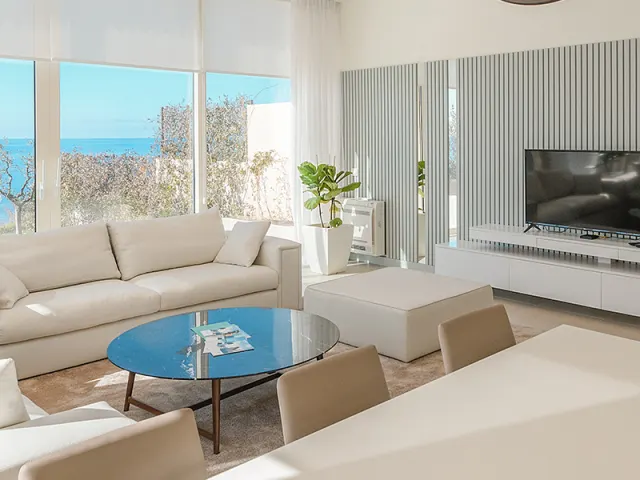
€335.000
€4.136/m²
1+1 Apartment, 81 m² – Green Coast 2, Palasë
Green Coast 2, Himara
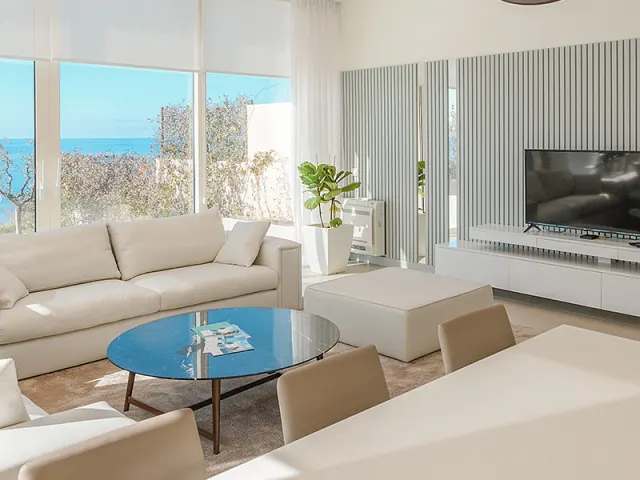
€670.000
€6.204/m²
1+1 Apartment, 108 m² with 121 m² Terrace – Green Coast 2, Palasë
Green Coast 2, Himara
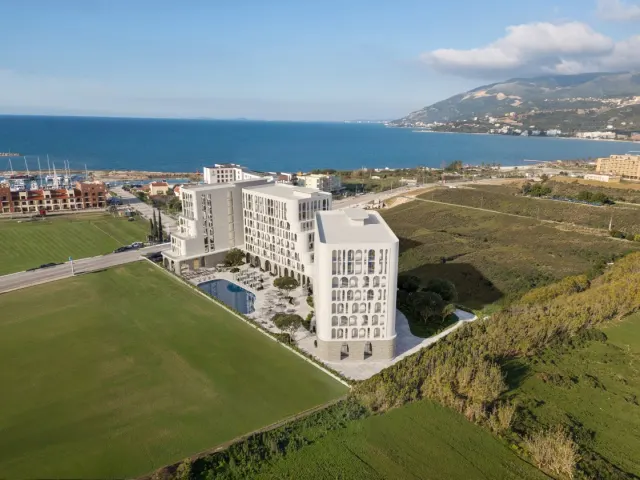
€298.700
€2.510/m²
2+1 Apartment, 119 m² with 26 m² Balcony Facing the Port – Orikum Bay, Vlorë · €298,700
Orikum, Vlora
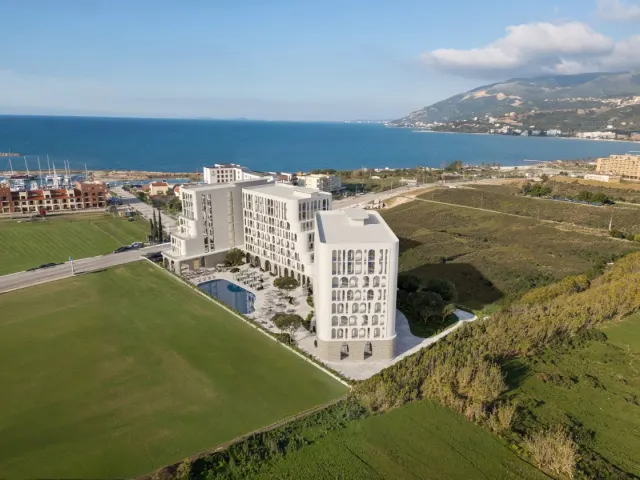
€286.752
€2.410/m²
2+1 Apartment, 119 m² with 26 m² Balcony Facing the Port – Orikum Bay, Vlorë · €286,752
Orikum, Vlora